
Laura’s Anxiety and Recovery
The Woman in Cabin 10This thread follows Laura’s anxiety from the burglary through captivity and shows how practical survival repeatedly competes with panic.
increasing Bearing strength in each event
 decreasing
Bearing strength in each eventdecreasingThe First Panic
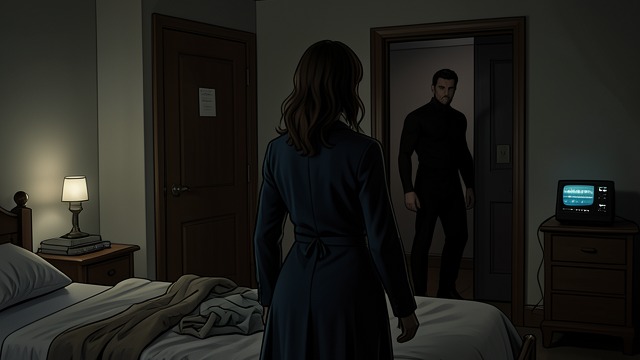
Fear Enters the Home
The Intrusion
A masked burglar and a locked bedroom leave Laura feeling unsafe even after the police and locksmith have gone.
Lingering Effects
Her startle responses, intrusive images, and sleepless nights show that the danger continues in memory after the intruder leaves.
Sleep Slips Away
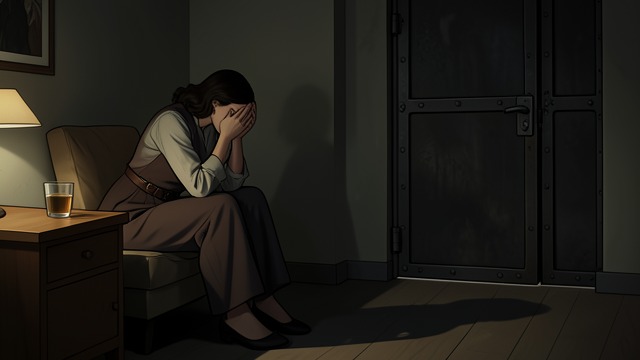
Exhaustion Takes Hold
Escalating Insomnia
Laura spends nights counting breaths and replaying the burglary, then uses alcohol to force sleep.
Impaired Judgment
Sleep deprivation leaves her disoriented and emotionally raw before the voyage even begins.
Claustrophobia at Sea
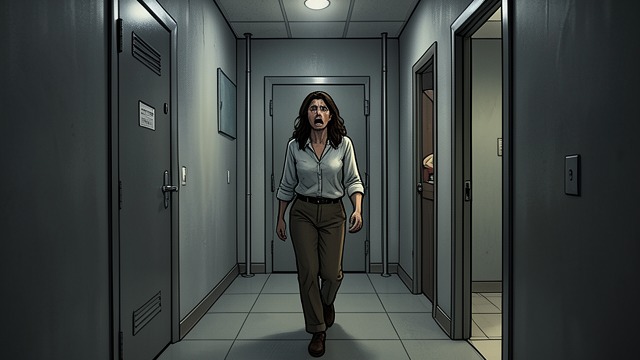
Small Rooms Close In
Triggers
Windowless corridors, the locked shower, and concealed rooms provoke intense claustrophobia aboard the ship.
Persistence
Laura keeps moving and gathering information even while her body signals panic, making each excursion an act of effort.
Medication Interrupted
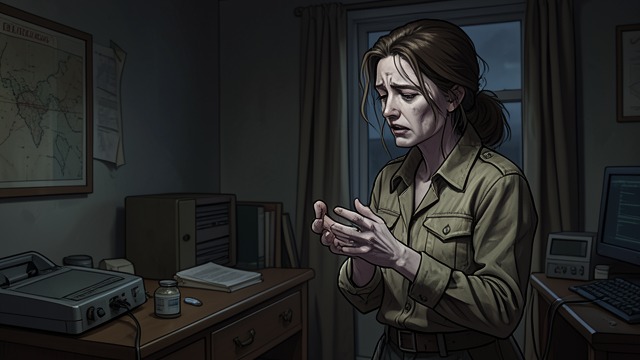
Losing a Routine
Missed Doses
Laura realizes that she has gone days without her medication while locked away from her belongings.
Physical and Emotional Strain
Withdrawal symptoms, hunger, a head injury, and confinement intensify her fear and make clear how vulnerable she is.
Breathing Through the Crisis
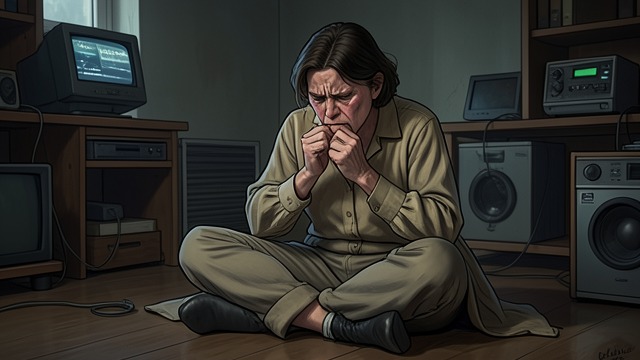
Survival Beyond Panic
Endurance
Laura uses familiar breathing and counting techniques to keep panic from overwhelming her during captivity and escape.
Uneven Recovery
She survives the immediate crisis, but the novel leaves her grieving and shaken rather than suggesting that fear disappears at once.
after the burglary at Laura’s flat
the two nights before departure
during the first days aboard
during captivity below deck
after Laura reaches safety in Norway
